Social Media
Online opinion battles, where differing views clash across social media platforms have profound implications for society, democracy, and personal relationships. They shape public opinion, control democratic process, and alter how we communicate with one another. Social media's rapid rise as a platform for public discourse has transformed the way we engage with ideas. The anonymity and reach it provides allow individuals to present arguments or campaign that can influence millions, often bypassing traditional gatekeepers like news outlets or academic institutions. This democratization of voice is beneficial for amplifying marginalized perspectives, but it also fuels a digital battleground where misinformation, hyperbole. and extremes polarization thrive. Campaigns like #MeToo and BlackLivesMatter have been instrumental in driving social chance, showing the power of online movements too shift public opinion. However, the small platforms have also been used for more divine, and sometimes harmful, purposes like the spread of fake news during elections, which can have an affect on democratic outcomes.

As
Crusius and Channel (2016) suggest, the ability to critique an argument
especially online is critical. The challenge is not just weather an
argument is valid, but weather its presented in a way that fosters
genuine dialogue. Online arguments often devolve into shouting matches,
leaving little room for constructive exchange. Ethical consideration
also arises here: Should social media platforms moderate content to
prevent harm, or does doing so infringe upon free speech? Mazer (2019)
also points out how the shift to online communication has made it harder
for people to effectively engage in nuanced, face-to-face exchanges,
which is necessary for truly understanding and critiquing arguments.
When it comes to interpersonal relationships, online opinion battles can
both bridge and widen gaps. For example, while social media can bring
like-minded people together, it can also create echo chambers,
reinforcing narrow worldviews and making empathy across differences more
difficult. Mazer (2019) emphasizes that communication challenges this
poses, especially as digital platforms facilitate interactions that lack
the nuance and context present in face-to-face conversations.
Ultimately, the online landscape has reshaped public opinion formation
bu turing individuals into both consumers and producers of information.
This has expanded the scope of persuasion but also challenged the
quality and depth of the conversation that sustain democratic life
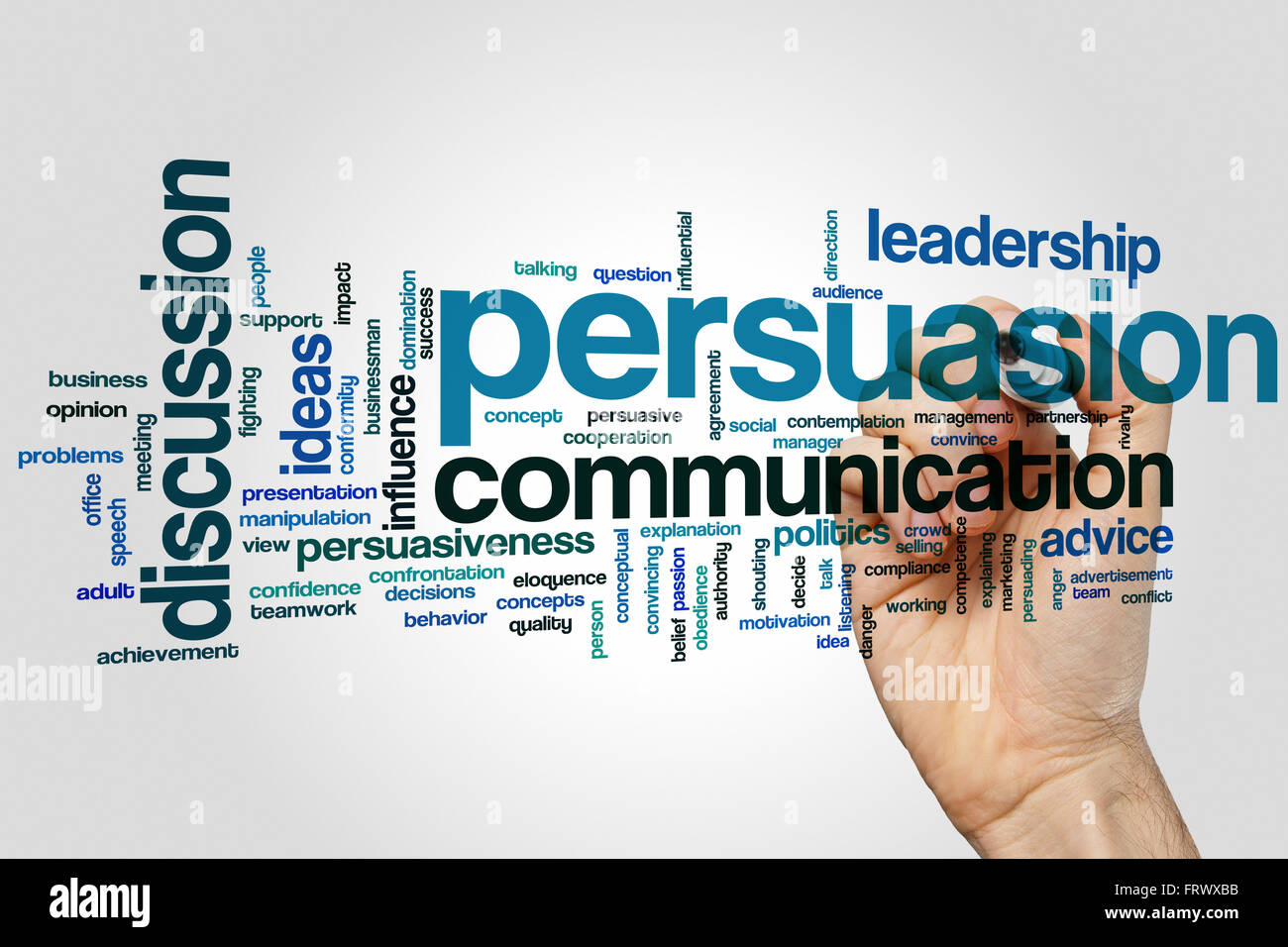

As Crusius and Channel (2016) suggest, the ability to critique an argument especially online is critical. The challenge is not just weather an argument is valid, but weather its presented in a way that fosters genuine dialogue. Online arguments often devolve into shouting matches, leaving little room for constructive exchange. Ethical consideration also arises here: Should social media platforms moderate content to prevent harm, or does doing so infringe upon free speech? Mazer (2019) also points out how the shift to online communication has made it harder for people to effectively engage in nuanced, face-to-face exchanges, which is necessary for truly understanding and critiquing arguments. When it comes to interpersonal relationships, online opinion battles can both bridge and widen gaps. For example, while social media can bring like-minded people together, it can also create echo chambers, reinforcing narrow worldviews and making empathy across differences more difficult. Mazer (2019) emphasizes that communication challenges this poses, especially as digital platforms facilitate interactions that lack the nuance and context present in face-to-face conversations. Ultimately, the online landscape has reshaped public opinion formation bu turing individuals into both consumers and producers of information. This has expanded the scope of persuasion but also challenged the quality and depth of the conversation that sustain democratic life
References
Crusius, T., & Channell, C. (2016). The aims of argument: A text and reader (8th ed.). McGraw-Hill Education.
Mazer, J. P. (2019). Communication and social media: Understanding and managing communication challenges in a networked society. Oxford University Press.

Comments
Post a Comment