Digital Natives vs Immigrants
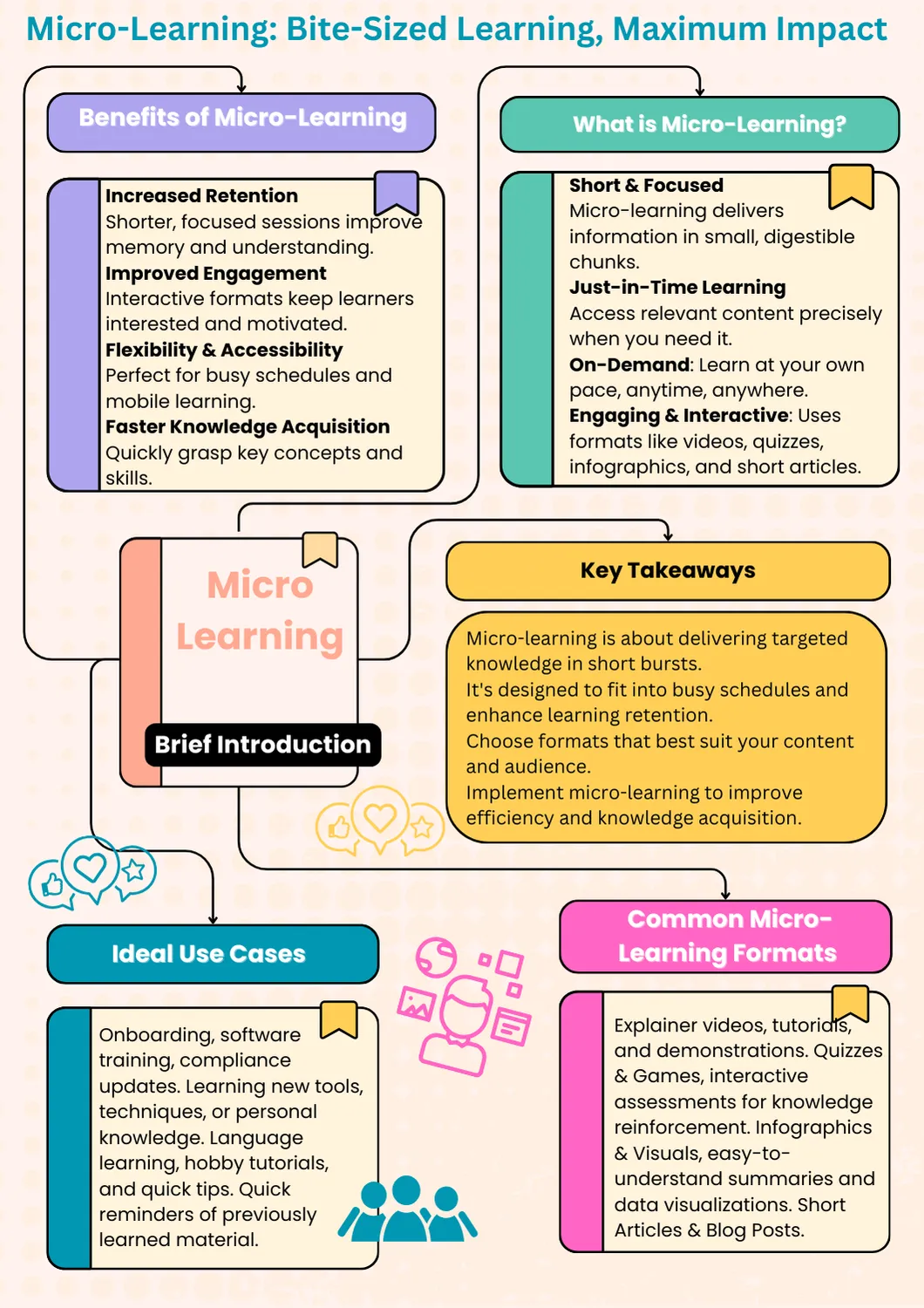
Marc Prensky's idea of the "digital native" versus "digital immigrant" divide helps explain why today's student often learns and communicate so differently from the older generation. Digital natives, those who have grown up surrounded by smartphones, social media, and instant access to information, have developed different ways of thinking and processing the world around them. In contrast, digital immigrants, those who adopted technology later in life, often approach learning and communication more traditionally. This generational difference can lead to misunderstanding in classrooms and workplaces (Pearson et al., 2021). Prensky points out that digital natives tend to multitask, crave quick responses, and prefer interactive learning. Sitting through long lectures or reading dense textbooks doesn't always work for them. Instead, they learn more effectively through quick videos, hands-on apps, or collaborative tools like Google Docs or discussion boards (Prensky, as cited in Pearson et al. 2021). Today's learners are wired for speed, variety, and engagement, and when those are missing, focus and motivation can suffer. The changes go beyond the classroom. Rothwell and Waters (2022) note that digital natives bring this fast-paced, tech-savvy mindset into interviews and workplace communication, too. They expect more visual, direct, and interactive forms of engagement, which can clash with traditional expectations. Mazer (2019) offers relatable examples, including one case that shows how teens use Snapchat to stay close with grandparents, while others explore whether it's appropriate to connect with coworkers on social media. To conclude, bridging the gap between digital natives and digital immigrants isn't about choosing one style over the other; it's about understanding both. When we recognize how younger generations think and learn, we can create more meaningful, inclusive ways to teach, communicate, and connect. 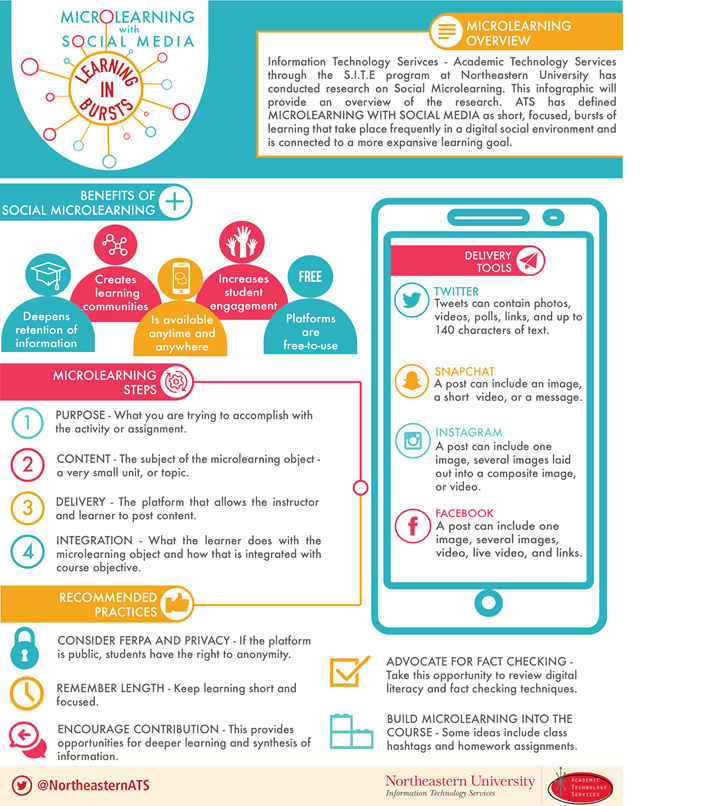
Mazer, J. P. (2019). Communication and social media: Understanding and managing communication challenges in a networked society. Oxford University Press.
Pearson, J. C., Nelson, P. E., Titsworth, S., & Hosek, A. M. (2021). Human communication (7th ed.). McGraw-Hill Education.
Rothwell, J. D., & Waters, M. (2022). It’s all of our business: Communicating competently in the workplace. Oxford University Press.


Comments
Post a Comment